Overview
Market Overview
First introduced in 2018, the eSIM (or embedded SIM) has fundamentally changed the mobile landscape for both individual consumers, mobile operators, and device manufacturers. An eSIM (also known as eUICC) chip is a mobile device hardware component that can download and host multiple SIM profiles simultaneously. Initially developed for the IoT industry, eSIMs have become a standard feature in consumer smartphones and are widely regarded as the replacement to physical SIM cards.
Security, convenience, and environmental concerns play a key role in the industry shift towards eSIM technology.


As eSIM adoption grows, consumer expectations are rising toward seamless, digital-first experiences with minimal friction—encouraging operators to modernize their activation flows.
This shift unlocks powerful opportunities: operators can benefit from reduced SIM card manufacturing and shipping costs, fewer customer touchpoints, and enhanced operational agility through over-the-air (OTA) provisioning. At the same time, it paves the way for more dynamic, scalable, and user-friendly connectivity models.
Importance of Remote SIM Provisioning Platform
As the telecom landscape shifts toward eSIM-enabled devices, Remote SIM Provisioning (RSP) becomes a foundational component of a modern operator’s infrastructure. More than just a technical necessity, an RSP platform is a strategic enabler that allows mobile operators to deliver fully digital, seamless, and scalable activation experiences for consumers and enterprises alike.
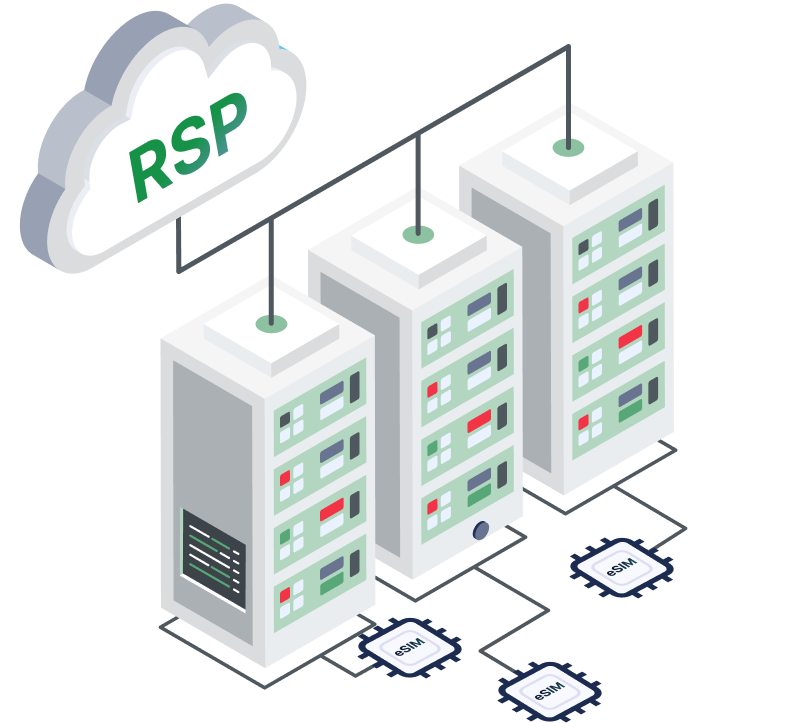
With eSIM adoption accelerating, traditional SIM logistics— printing, shipping, inventory, and in-store activation— are being replaced by over-the-air provisioning. RSP platforms allow operators to remotely manage the entire eSIM lifecycle from initial activation to profile updates, suspension, and replacement. This not only cuts operational costs but also significantly improves the user experience.
An effective RSP platform supports diverse onboarding methods including QR code activation, in-app provisioning, and zero-touch push delivery. It also integrates tightly with backend systems through standardized interfaces like ES2+ and extended APIs, offering greater automation and visibility across operations.
Operators using advanced RSP platforms gain more than operational efficiency— they unlock commercial agility. With support for multi-brand provisioning, dynamic profile reuse, and role-based access, they can quickly respond to changing market demands or launch targeted offers across retail, enterprise, and IoT segments.
In a digital-first telecom environment, RSP is no longer optional. It is the engine behind seamless connectivity and the differentiator that allows operators to meet the expectations of connected consumers and businesses across the globe.